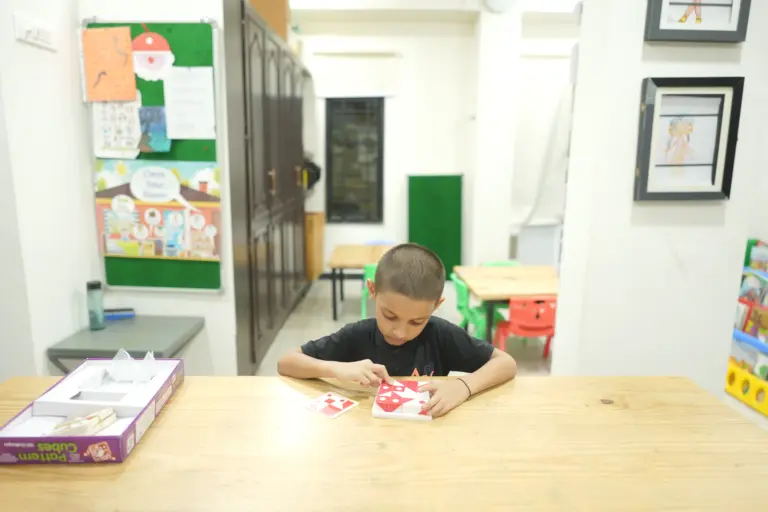
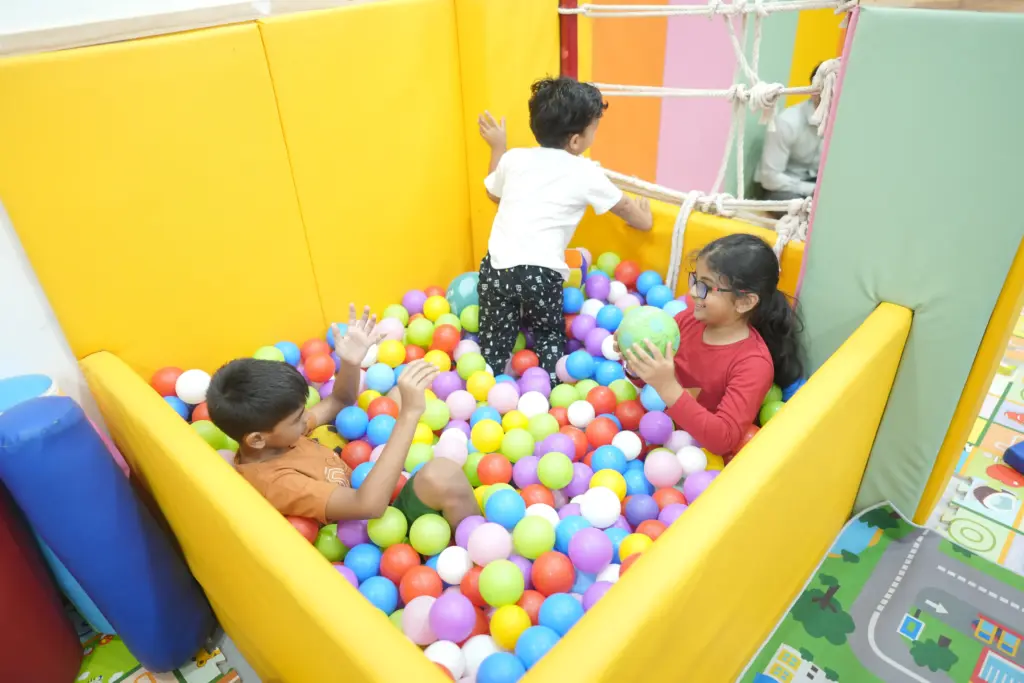
To a child, play is serious work. Sensory play, which engages touch, sight, sound, movement and balance, gives children a rich way to explore the world and make sense of it. For many children, especially those with sensory processing differences, it is also a key part of therapy.
What is sensory play?
Sensory play is any activity that stimulates one or more of the senses. Squeezing playdough, jumping into a ball pool, swinging, finger painting or sorting textured objects are all simple examples. These experiences help the brain organise information coming in from the body and the environment.
Benefits for growing children
- Brain development: new sensory experiences help build connections that support learning.
- Fine and gross motor skills: pouring, pinching, climbing and balancing strengthen muscles and coordination.
- Language: describing textures, colours and sounds naturally builds vocabulary.
- Emotional regulation: calming sensory input can help children settle when they feel overwhelmed.
- Social skills: shared play encourages turn-taking, patience and cooperation.
Sensory play in therapy
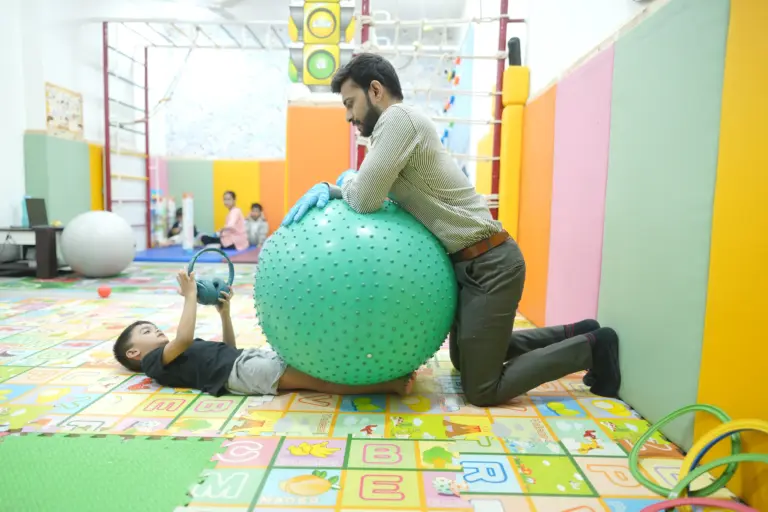
In our sensory integration room, therapists use equipment like therapy balls, swings, ball pools and textured mats in a planned way. Each activity is chosen for the child’s needs, whether that is helping a sensitive child feel calmer or giving a movement-seeking child the input they crave in a safe, structured setting.
Easy ideas to try at home
- A rice or lentil tub with cups and spoons for scooping and pouring.
- Playdough rolling, squeezing and cutting.
- Water play with sponges and containers during bath time.
- A simple obstacle course with cushions to crawl over and under.
Keep it fun, follow your child’s lead and stop if they seem distressed. If your child strongly avoids or seeks certain sensations, our occupational therapists can guide you.