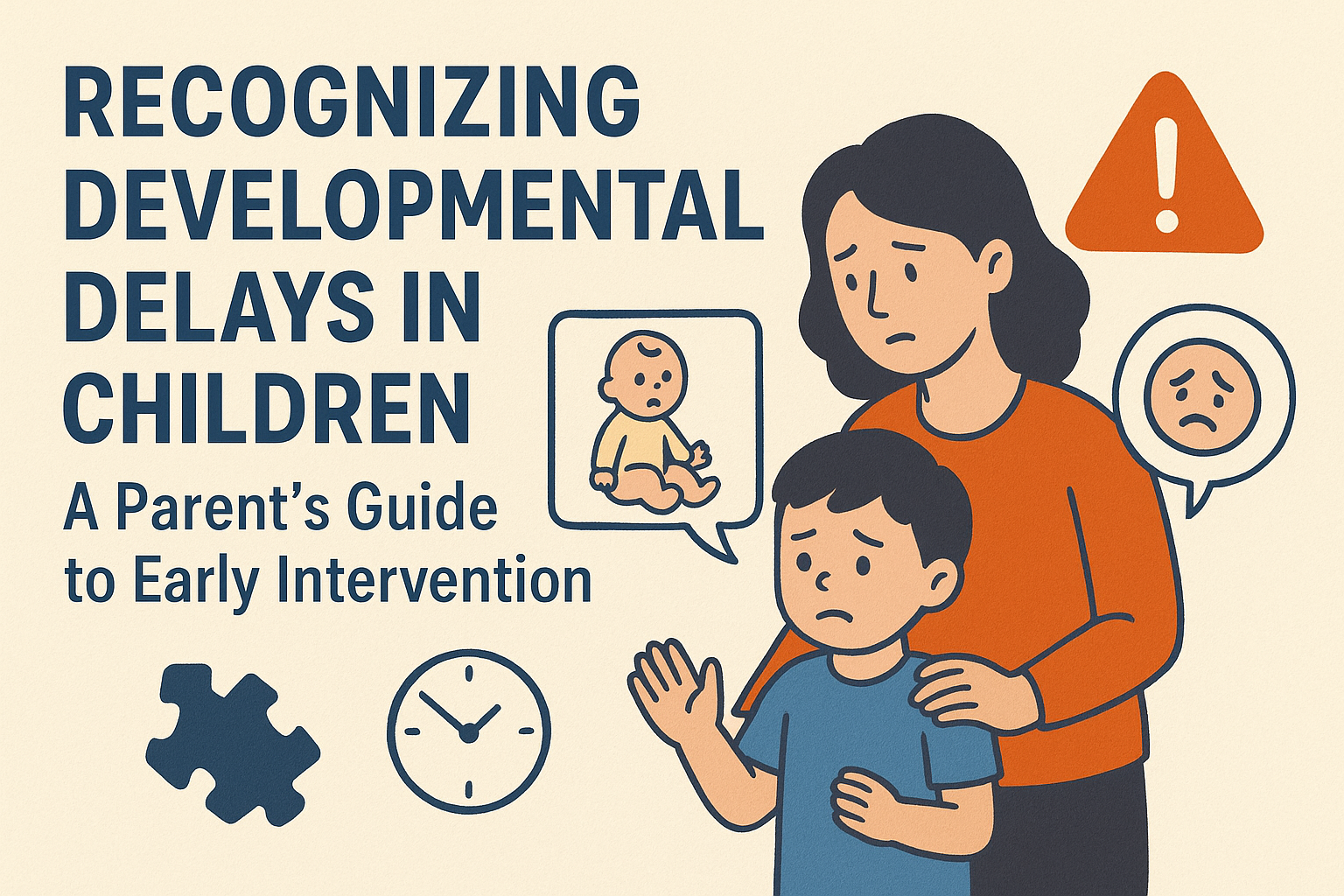
When parents first hear about Autism Intervention Therapy, a common question arises—what does it really include? The truth is, autism therapy is not a single approach. Instead, it combines evidence-based strategies designed to help children with autism improve communication, behavior, social interaction, and independence. At the heart of this lies Applied Behavior Analysis (ABA), a …


When parents first hear about Autism Intervention Therapy, a common question arises—what does it really include? The truth is, autism therapy is not a single approach. Instead, it combines evidence-based strategies designed to help children with autism improve communication, behavior, social interaction, and independence.
At the heart of this lies Applied Behavior Analysis (ABA), a scientifically proven method used worldwide to support children on the autism spectrum. ABA forms the foundation of many autism intervention programs in Indore, offering personalized learning that brings real, long-term progress.
Why Autism Behavior Therapy Matters
For parents, it’s important to understand that autism behavior therapy is not about rigid drills or control. Instead, it is about empowering children with tools to:
- Express themselves better
- Manage emotions in a healthy way
- Build meaningful social connections
- Develop independence in everyday life
By choosing the right ABA services for autism in Indore, families can help their children thrive and reach their potential.
Six Core ABA Techniques in Autism Intervention Therapy
Here are the six proven ABA techniques that make an autism intervention program in Indore effective and meaningful:
1. Discrete Trial Training (DTT)
- What it is: A teaching method that breaks learning into small, structured steps.
- Example: Therapist says, “Touch your head.” Child responds correctly → receives praise or a reward.
- Benefit: Builds early learning, attention, and imitation skills that form the foundation for more complex learning.
2. Natural Environment Teaching (NET)
- What it is: Learning happens during play and daily activities.
- Example: While playing with blocks, therapist prompts, “Give me the red block.”
- Benefit: Helps children use skills beyond therapy sessions, making learning natural and practical.
3. Pivotal Response Training (PRT)
- What it is: Focuses on motivation, communication, and self-initiation.
- Example: Child selects a toy, and the therapist uses it to teach requesting, sharing, or turn-taking.
- Benefit: Encourages child-led learning and boosts social interaction.
4. Early Start Denver Model (ESDM)
- What it is: A play-based ABA program for toddlers (12–48 months).
- Example: Singing “Itsy Bitsy Spider” while encouraging gestures and eye contact.
- Benefit: Enhances language, play, and emotional skills during early developmental years.
5. Functional Communication Training (FCT)
- What it is: Replaces problem behaviors with meaningful communication.
- Example: Instead of crying for water, the child learns to say “water” or use a picture card.
- Benefit: Reduces frustration and builds independence by giving children a voice.
6. Behavior Intervention Plans (BIP)
- What it is: Personalized strategies to address challenging behaviors.
- Example: Teaching deep breathing as an alternative to aggression when upset.
- Benefit: Supports emotional regulation and long-term behavioral improvements.
Final Thoughts
Autism therapy is not just about addressing challenges—it’s about unlocking each child’s potential. With structured autism behavior therapy using ABA techniques like DTT, NET, PRT, ESDM, FCT, and BIP, children can develop stronger communication, confidence, and independence.
Tip for Parents: Ask your therapy team which of these methods are included in your child’s program and how you can reinforce them at home. Real growth happens when autism intervention therapy in Indore works hand in hand with family support.
At Urjasvini, we are committed to providing specialized ABA services for autism in Indore. Our tailored autism intervention programs focus on helping every child learn, grow, and shine at their own pace.
Book a Consultation
It’s easy and free!