Every child grows and learns at their own pace. Some may start walking early, while others may speak their first words a little later. Small differences in development are normal, but sometimes delays can indicate that a child needs extra support. As parents, recognizing the early signs of developmental delays can make a big difference. …

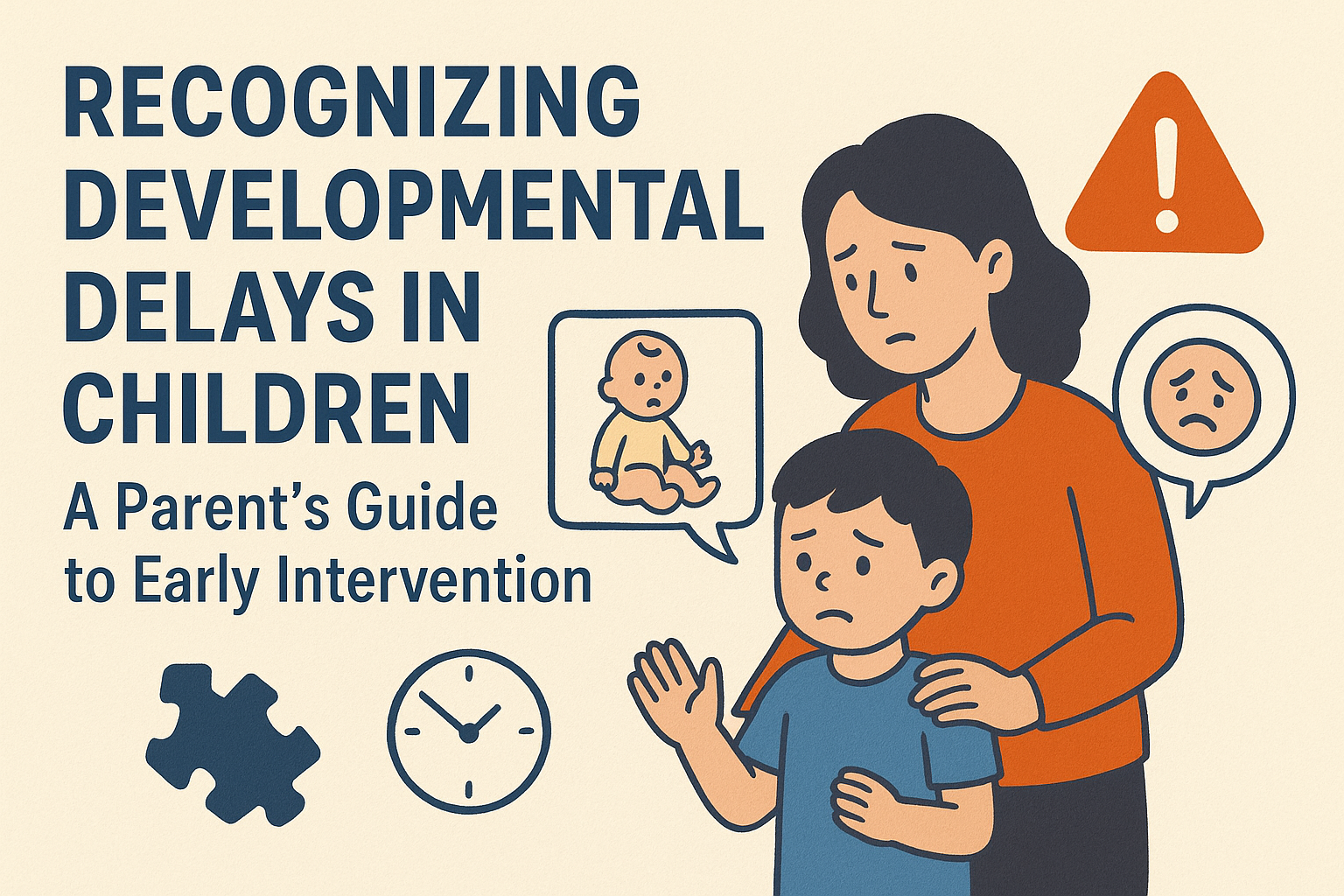
Every child grows and learns at their own pace. Some may start walking early, while others may speak their first words a little later. Small differences in development are normal, but sometimes delays can indicate that a child needs extra support. As parents, recognizing the early signs of developmental delays can make a big difference. The earlier we understand a child’s needs, the sooner we can help them through the right therapies and guidance.
At Urjasvini, we believe that early awareness and the right interventions can help children overcome challenges and reach their full potential. Our Early Intervention Centre in Indore is designed to support children with developmental, behavioral, and learning needs in a caring and structured way.
Why Early Detection Matters
The early years of life are the foundation for future learning, communication, and emotional health. When a child shows signs of delay, acting early can:
- Strengthen brain development during critical growth periods
- Prevent small challenges from becoming bigger struggles
- Boost your child’s confidence and independence
- Help families feel supported and empowered
Whether it’s early intervention in dyslexia to support reading or early intervention autism programmes for social and communication growth, timely help can unlock a child’s true potential.
Common Signs of Developmental Delays
While every child is unique, here are some signs that may suggest your child could benefit from further evaluation:
1. Language and Communication
- Not babbling by 12 months
- Limited vocabulary compared to children of the same age
- Difficulty forming sentences by age 3–4
- Trouble following simple instructions
2. Motor Skills
- Not sitting without support by 9 months
- Difficulty crawling, walking, or balancing
- Trouble using hands for small tasks like picking up objects or holding crayons
3. Social Interaction
- Limited eye contact or lack of response to name
- Preferring to play alone rather than with peers
- Difficulty understanding social cues or emotions
4. Cognitive Processing
- Struggling with problem-solving or puzzles
- Difficulty remembering information
- Trouble understanding basic concepts such as shapes, numbers, or colors
5. Emotional Regulation
- Frequent, intense meltdowns without clear reason
- Difficulty calming down after upset
- Struggles with transitions or changes in routine
Developmental Red Flags in Autism and Dyslexia
Some developmental delays are linked to specific conditions like autism or dyslexia.
Early Signs of Autism
- Delayed speech or loss of words they once used
- Limited gestures such as pointing or waving
- Unusual repetitive behaviors (hand flapping, lining up toys)
- Sensitivity to sounds, textures, or lights
Early Signs of Dyslexia
- Difficulty learning letters or sounds
- Struggles with rhyming words
- Slow or incorrect recognition of common words
- Avoiding reading-related tasks due to frustration
Recognizing these early helps families access early intervention autism programs or early intervention in dyslexia support, which are designed to strengthen communication, literacy, and social skills from the start.
Practical Checklist for Parents
Here’s a quick way to track your child’s development. If you notice multiple concerns, consider reaching out to a professional:
- Is your child using words and sentences appropriate for their age?
- Can they run, climb, and use their hands for simple tasks?
- Do they make eye contact and respond when spoken to?
- Are they curious, asking questions, and showing problem-solving skills?
- Do they manage emotions with some support from you?
This checklist is not a diagnosis—it’s a guide. Only a professional assessment at an early intervention centre can confirm whether your child needs extra help.
When and Where to Seek Help
If you have concerns, don’t wait for your child to “grow out of it.” Start with:
- Talking to your pediatrician about your observations
- Asking for a developmental screening
- Visiting a specialized early intervention centre for assessment and therapy
These centres offer multi-disciplinary support, including speech therapy, occupational therapy, behavior therapy, and special education programs—all tailored to your child’s needs.
Positive Outcomes of Early Intervention
Parents often feel anxious when they hear about developmental delays, but early action leads to hopeful results. With the right support:
- Children with dyslexia learn strategies to enjoy reading
- Children with autism improve communication and social interaction
- Motor and speech delays are significantly reduced
- Families feel guided, reassured, and better equipped to support their child
The goal is not to “fix” children but to empower them with tools and confidence to live independently and joyfully.
Reducing Stigma, Building Hope
One of the biggest challenges families face is the fear of judgment or stigma. Remember—needing extra support is not a weakness. Just like some children need glasses to see clearly, others may need therapy to strengthen communication, movement, or learning skills.
By seeking help early, you are giving your child the gift of growth, independence, and self-confidence.
Urjasvini’s Role in Early Intervention
At Urjasvini, our Early Intervention Centre in Indore brings together psychologists, speech therapists, special educators, and occupational therapists. We conduct detailed assessments to understand each child’s strengths and challenges. Based on this, we create personalized intervention plans to support developmental, learning, and emotional growth.
Our goal is not only to help children with their current needs but also to prepare them for school, social interactions, and a confident future.
Book a Consultation
It’s easy and free!